The Boy Who Cried Wolf
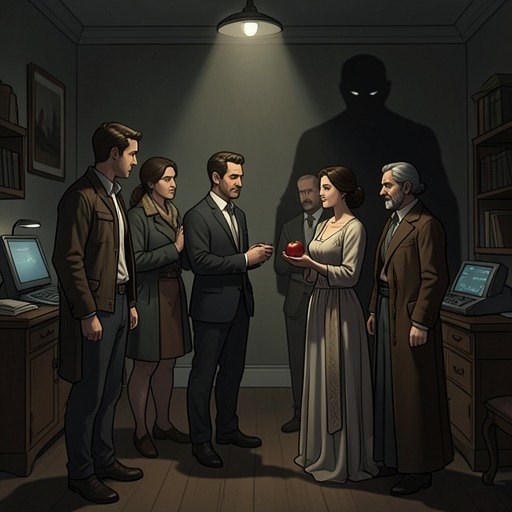
Hallowe'en PartyThe Boy Who Cried Wolf is an allusion Elspeth McKay uses to explain how a reputation for untruth can undermine even a genuine report. Its point in the exchange is not simply that the woman under discussion is probably lying, but that past unreliability makes it difficult to know when she might be telling the truth.
The reference in conversation
Elspeth recalls “the old story of the boy who cried 'Wolf, wolf,' and he cried it once too often, when it was a real wolf, and nobody believed him, and so the wolf got him.” The decisive turn is the final alarm: the danger is real, but the boy’s earlier cries have exhausted his listeners’ trust. The example gives a compact shape to the problem of judging testimony after repeated falsehood.
Its use and qualification
Elspeth applies the story cautiously. She says the probabilities are that the woman was not speaking the truth, yet acknowledges that anyone may be wrong and that the woman may have seen something—not quite as much as she said she saw, but something. The allusion therefore frames credibility as a matter of degree rather than an absolute verdict: suspicion remains, while the possibility of a truthful fragment is not dismissed.